
Your San Francisco Guide To Clink Different: Exploring Bordeaux and German Wine Styles
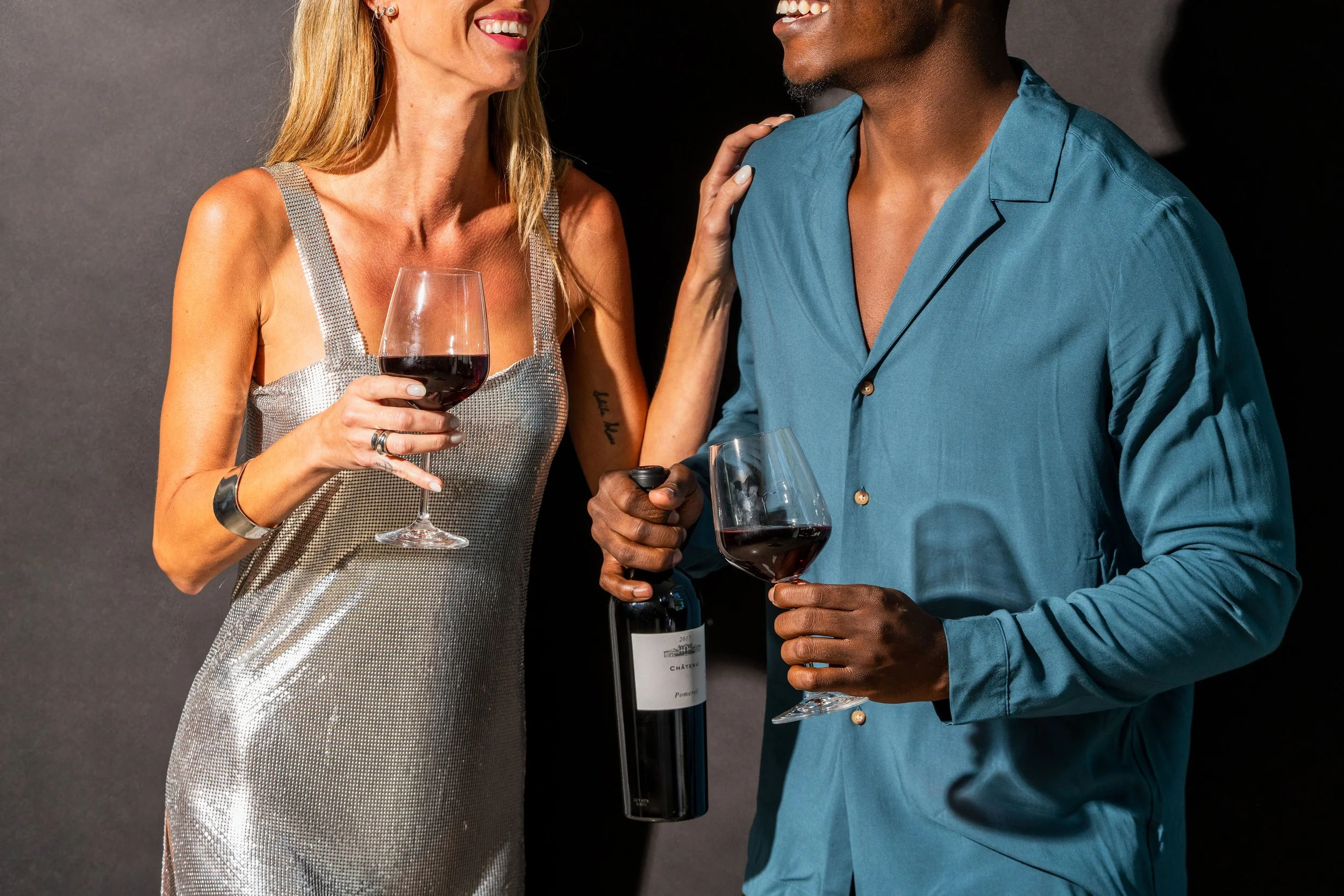
Bordeaux and Germany offer a world of flavor—and you can explore it all right here in San Francisco. Thanks to Clink Different’s by-the-glass wine and food pairing initiative, curious drinkers can “travel through the glass” to two of Europe’s most iconic regions.
During the 2025 Clink Different Restaurant Week, top San Francisco restaurants and wine bars poured standout, food-friendly bottles from Bordeaux and Germany. And even if you missed the event, there’s still plenty of time to discover these under-the-radar gems.
You can taste Bordeaux’s Left and Right Banks, dive into Germany’s Pfalz and Rheingau, and uncover new favorite spots across San Francisco—all without boarding a plane. The wines are here year-round, but there’s no better time to explore the San Francisco version of wine country than right now.
Before the 2025 Clink Different Restaurant Week kicked off, the wine organization worked with sommeliers and staff members at restaurants to give them a deeper dive into the wines of Bordeaux and Germany. Many restaurants are still offering wines from Bordeaux and Germany—now with trained staff members who can walk guests through the history and terroir of each region, while also providing them with food pairing advice.
Keep reading for a complete list of San Francisco spots that took part in Clink Different.
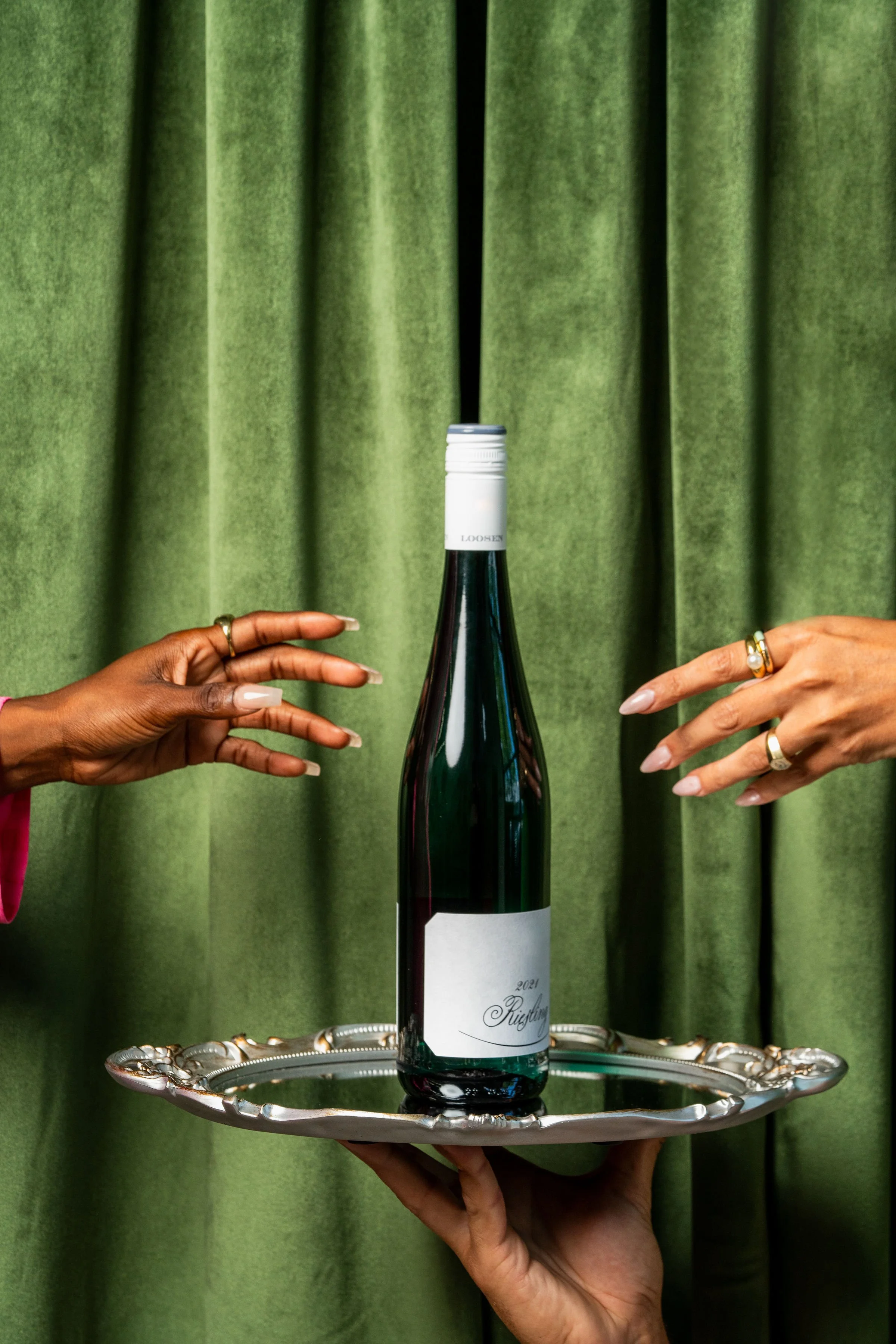
As you make your way around, you’ll discover that many of the most talented sommeliers in San Francisco have made it their personal mission to embrace the sometimes surprising side of Germany and Bordeaux’s winemaking scene. And one of the most surprising initial discoveries they’ll share is how much these seemingly disparate places have in common.
In addition to shared history and impressive landscapes, they share similar cultures, a dedication to culinary excellence, and a desire to embrace new winemaking styles while staying rooted in the centuries of history and culture that have defined them.
Scratch just below the surface and you’ll discover a world of flavor that you never knew existed in Germany and Bordeaux.
Bordeaux encompasses a vast range of planted vines: More than 234,000 acres of grapes are planted there, which would equal about 177,272 American football fields. The cool climate, buffered by the regulating Gulf Stream, and large pine forests that protect the delicate grapes from the harshest winds off the Atlantic, create a slow and steady ripening season for the 4,600+ wine-growers there. And while Bordeaux may be most famous for superstar zones like Saint-Émilion and Margaux, there are 37 official AOCs, or officially recognized wine regions, to discover.
“Over the years, Ungrafted has been an avid supporter of Clink Different, supporting wines from Bordeaux and Germany,” says Chris Gaither, Master Sommelier and owner of Ungrafted. “Many wine drinkers don’t immediately associate wines from these regions together, but it couldn’t make any more sense. They both offer very-high-quality wines, focus on sustainability, and offer diverse styles of wines that are very user friendly and accessible.”
Germany has become ground zero for complex, terroir driven wines—both red and white, but starring the Pinot family. Like Bordeaux, Germany has a seriously large area of land planted to grapes: about 253,283 acres of grapes under vine, or the equivalent of 191,881 American football fields.
Germany’s climate is cool, with the Gulf Stream protecting vineyards from extreme heat and cold. Vines are planted strategically on the south-facing slopes of protective river valleys to encourage even ripening over long growing seasons. There are 14,150 wine-growers in Germany, a lot more than Bordeaux, which simply means that each one’s vineyard is smaller on average. The country has a total of 13 winegrowing regions.
More than two-thirds (about 70.5%) of German wine is dry or semi-dry (meaning not sweet), and the country has been nicknamed “Pinot Paradise” by wine experts. About one-third of the country’s vineyards are devoted to red varieties, primarily Pinot Noir (or Spätburgunder auf Deutsch). The top planted white Pinot variety is Pinot Blanc (or Weissburgunder), closely followed by Pinot Gris (Grauburgunder). About 69.5% of Germany’s wine production is devoted to white wines, while 18% is red, and the remaining 12.5% is for rosé.
German wine also delivers exactly what current palates are thirsty for. Because the country’s wine regions are perched on some of the world’s most northerly latitudes for viticulture, the wines tend to be lower in alcohol, higher in acidity, and particularly suited for pairing with food. All of that acidity makes you thirsty, and the lower alcohol helps you taste a broader range of flavors—high-alcohol wines can sometimes overwhelm and fatigue taste buds.
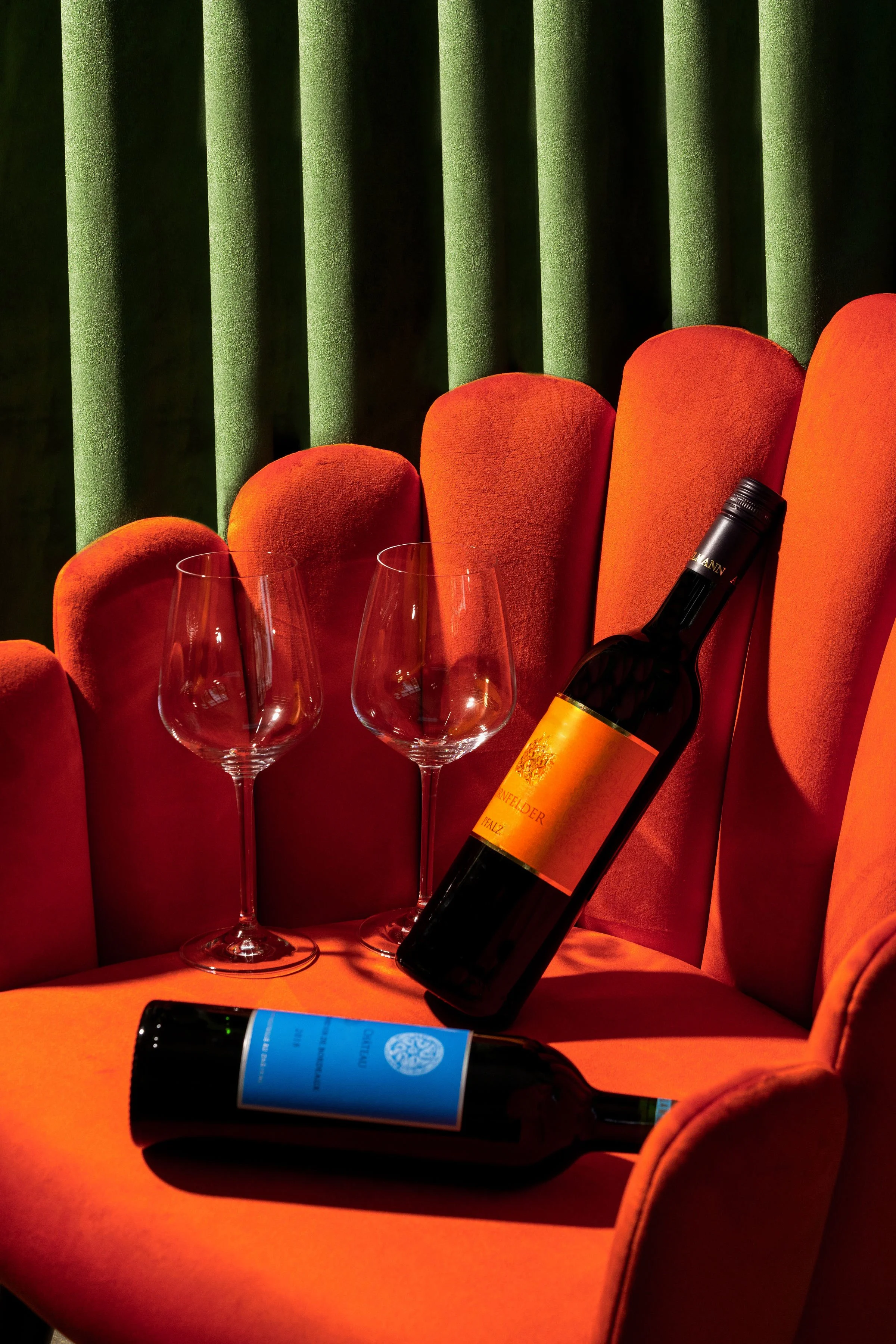
For Gaither, experiencing the fresh flavors and diversity found in both regions has been instrumental in shaping his perspective on wine. “In my career, I’ve had the pleasure of traveling both to Bordeaux and to Germany, and I can say both experiences were quite formative for me as a sommelier,” Gaither says. “Standing in vineyards in the Mosel, Rheingau, Pauillac, and St. Émilion, hearing the stories of the small, family-owned estates as well as the larger, more powerful wineries has given me a firm perspective on how diverse, exciting, and profound these two regions are.” Bordeaux, Gaither explains, offers much more than meets the eye.
Indeed, while Bordeaux is most commonly associated with red blends (red wines made on the Left Bank of the Garonne River tend to be blends dominated by Cabernet Sauvignon, while red wines made on the Right Bank of the Dordogne River tend to be blends dominated by Merlot), until 1970 most of the wines made there were white.
Also, a new generation of winemakers is embracing the under-the-radar history of sparkling wine in Bordeaux. Made in the same method used to produce Champagne, with a second fermentation in the bottle, Crémant de Bordeaux tastes like Champagne, but through a Bordeaux lens, thanks to the Sémillon, Sauvignon Blanc, and Merlot used.
Champagne producers use primarily Chardonnay, Pinot Noir, and Pinot Meunier grapes. Currently, about 88% of Bordeaux’s production is devoted to reds, with close to 12% dedicated to whites, and the balance in rosés, Crémants, and sweet wines.
What to expect when you dine around San Francisco, on the road to discovering German and Bordeaux wines? Because every restaurant has free rein to choose the manner in which food and wine is paired and served, expect a wild array of tasting menus, rare by-the-glass gems and surprising pairings that leverage the best of the wine and food. Consider your sommelier your tour guide to the most unexpected and delightful flavor journey.
“The Bay Area is one of the most powerful wine markets in the country, among the leaders in imports from Europe,” Gaither says. “Consumers here can take advantage of a multitude of options for great wines from all over the world. There is no time like now to enjoy the great wines of Bordeaux and Germany. Now is the time to Clink Different!”
Top restaurants in cities across the U.S. continue to showcase the shared spirit of Bordeaux and German winemaking—inviting guests to explore, taste, and discover something unexpected.
Thirsty for more? If you’re eager to take a deep dive into the intricacies of Bordeaux and Germany’s distinct terroirs, the Clink Different website offers a fantastic educational resource, with fascinating profiles of winemakers and subregions on their blog.
If you missed 2025 Clink Different Restaurant Week, head over these San Francisco locations for the many great German and Bordeaux wines still available.
Cafe Figaro
Gary Danko
Kiln Restaurant
Quince
State Bird Provisions
The Anchovy Bar
Tiya
The Progress
Ungrafted
Connect with @ClinkDifferent on social media to learn more.
All images courtesy of Clink Different

